Rochester Police
Applying to the Rochester Police Department can feel very different from applying for a regular job. Police hiring is usually more structured, more competitive, and much more detailed because the department is not only looking for people who want the position. It is looking for candidates who can meet professional standards, communicate clearly, handle pressure, follow procedure, and earn public trust.
That is why the hiring process often includes more than one step. Candidates may need to complete an application, pass a written or civil service style exam, move through interviews, complete a background investigation, meet physical and medical standards, and prove they are ready for academy training and police work.
Rochester Police Hiring Process Step by Step
The exact order can vary depending on recruitment timing, civil service rules, and department needs, but the process often follows a structure similar to this:
- Application or civil service registration
- Written assessment or police entrance exam
- Initial screening or eligibility review
- Physical fitness or agility testing
- Oral interview or oral board
- Background investigation
- Medical and psychological evaluation
- Final selection or academy placement
Not every candidate reaches every stage. Some applicants are screened out earlier based on exam results, eligibility, background concerns, or interview performance.
Step 1: Application and Eligibility Review
The first step is usually the application itself. Candidates may need to submit personal information, employment history, education background, residency details if relevant, and other required documentation.
This stage may look simple, but it matters more than many candidates expect. The department or city may review whether you meet the basic qualifications before moving you deeper into the process.
Typical requirements may include:
- minimum age
- valid driver’s license
- legal work authorization
- education requirements
- residency or location-related rules if applicable
- basic background eligibility
It is very important to complete the application carefully. A police hiring process often involves later record checks, so anything you submit at the beginning should be accurate and consistent.
Step 2: Rochester Police Assessment Test
One of the most important early filters is the written assessment test. For many candidates, this is the first major challenge.
The Rochester Police assessment test may function like a police entrance exam or civil service style exam. The exact format can vary, but it often focuses less on advanced academic knowledge and more on workplace readiness for law enforcement.
The written test may measure:
- reading comprehension
- report-style thinking
- grammar and written communication
- memory and observation
- logical reasoning
- situational judgment
- numerical reasoning in some cases
- ability to follow instructions carefully
The goal is not to test whether you are an expert officer before training. It is to see whether you have the core mental skills needed to move forward.
What the Rochester Police Assessment Test May Include
Below is a useful breakdown of common police entrance exam sections.
| Test Section | What It Measures | Why It Matters |
|---|---|---|
| Reading Comprehension | Understanding written passages, procedures, and instructions | Officers need to read laws, reports, and official materials accurately |
| Situational Judgment | Decision-making in realistic police or public safety scenarios | Good judgment is critical in law enforcement |
| Memory and Observation | Ability to notice and recall details | Important for reporting, patrol, and incident response |
| Written Communication | Clear, professional, report-style thinking | Police work often requires accurate documentation |
| Logical Reasoning | Structured thinking and problem solving | Helps candidates process information calmly and clearly |
| Attention to Detail | Spotting mistakes or small differences | Accuracy matters in reports, records, and evidence-related tasks |
| Numerical Reasoning | Basic calculations, comparisons, and practical number problems | May be useful in reports, scheduling, and operational work |
This mix reflects the real demands of police work. The exam is not usually just about general intelligence. It is about whether you can think and respond in a disciplined, accurate, and professional way.
Sample Rochester Police Assessment Test Question Types
Reading Comprehension
You may read a policy or short report and answer questions about what it means.
Example:
A notice says visitors may enter a restricted building only when escorted by authorized staff. Which statement is correct?
A. Anyone may enter the building freely
B. Visitors may enter only under the stated escort condition
C. Only employees may ever enter
D. Visitors may enter if they sign in later
The best answer is the one that stays closest to the written rule.
Situational Judgment
You may be given a workplace or public-safety scenario and asked what the best response would be.
Example:
You notice a person acting suspiciously in a secure area. What is the best response?
A. Ignore it unless someone complains
B. Follow procedure and address or report the issue appropriately
C. Wait until the end of the shift
D. Confront the person aggressively without checking the situation
The strongest answer usually reflects professionalism, procedure, and safety.
Memory and Observation
You may be shown short details and asked to recall them accurately.
Example:
Blue car, black jacket, gate 3, 7:10 PM, red cap
Which item was listed second?
A. Black jacket
B. Gate 3
C. Red cap
D. Blue car
These questions reward calm attention, not panic.
Written or Grammar Questions
Some police exams include sections that test basic writing and grammar because officers need to complete reports clearly.
Example:
Choose the sentence that is grammatically correct.
A. The officer were asked to complete the report
B. The officer was asked to complete the report
C. The officer was asked completing the report
D. The officer were ask to complete the report
These sections are not usually advanced, but they matter because written communication matters.
How to Prepare for the Rochester Police Assessment Test
The smartest preparation is focused rather than random.
Read police-style material carefully
Practice reading short policies, notices, and reports. Get used to finding the main point without adding assumptions.
Practice timed multiple-choice questions
Police entrance exams are often timed, and many candidates lose points because they rush or freeze.
Work on memory and observation
Simple practice with names, objects, times, descriptions, and short lists can help.
Review basic grammar and writing logic
You do not need to be a professional writer, but you do need to understand clear sentence structure and report-style thinking.
Practice situational judgment
Think in terms of:
- safety
- procedure
- professionalism
- calm decisions
- proper escalation
One of the biggest mistakes candidates make is studying too broadly. A better strategy is to focus on the actual skills police exams usually test.
Step 3: Physical Agility or Fitness Testing
For many police hiring processes, a physical fitness stage comes after the written assessment or initial eligibility stage. The exact format depends on the agency, but candidates may be asked to prove they can meet academy and law enforcement demands.
Common test elements may include:
- running
- sprinting
- push-ups
- sit-ups
- obstacle movement
- stair climbing
- agility tasks
- endurance measurements
A police department is not usually looking for elite athlete performance. It is looking for candidates who are fit enough to handle training and the physical demands of the job.
The biggest mistake people make is waiting until after the written exam to start preparing physically. A better approach is to begin early so you are not trying to build fitness under time pressure.
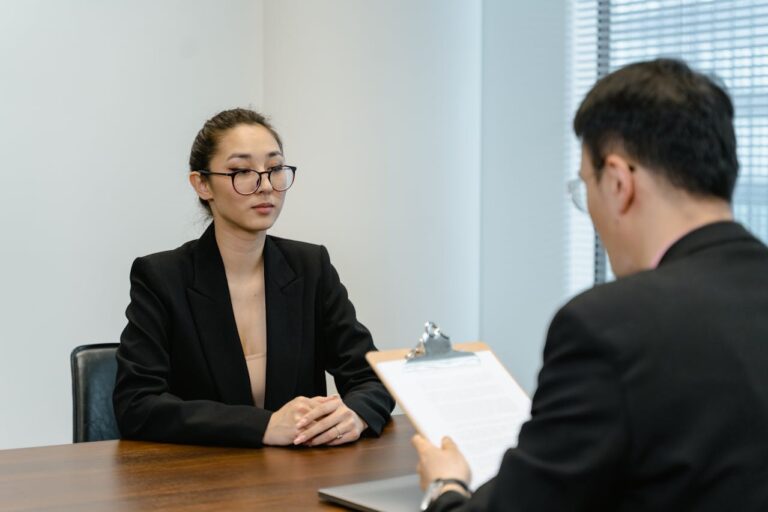
Step 4: Rochester Police Interview
Candidates who pass the earlier stages may be invited to an interview, often called an oral board or panel interview.
This is one of the most important parts of the hiring process because it shows the department how you present yourself as a future officer. The panel may be evaluating:
- communication
- maturity
- self-control
- honesty
- judgment
- motivation
- professionalism
- understanding of the role
The interview is not only about giving the “right” answer. It is also about how you answer. A strong candidate usually sounds calm, direct, respectful, and thoughtful.
Common Rochester Police Interview Questions
You may hear questions such as:
- Why do you want to become a police officer?
- Why do you want to work for Rochester Police?
- What does integrity mean to you?
- Tell us about a difficult situation you handled.
- How do you handle stress?
- What would your previous supervisors say about you?
- How would you deal with conflict?
- What qualities make someone a good police officer?
- How do you respond to criticism?
- Why should we hire you?
These questions are designed to show whether your mindset fits the profession.
Sample Rochester Police Interview Answers
Why do you want to become a police officer?
A strong answer could sound like this:
“I want to become a police officer because I am drawn to work that involves responsibility, service, and public trust. I understand this is not an easy career, and that is part of why I respect it. I want a role where discipline, judgment, and helping the community all matter.”
Why do you want to work for Rochester Police?
A strong answer should connect your interest to the department and the city rather than sounding generic.
“I’m interested in Rochester Police because I want to serve in a department that works in a real, active community environment where professionalism, accountability, and public service matter every day. I also want to grow in a department where I can contribute long-term and earn that responsibility.”
Tell us about a difficult situation you handled
Use a real example and keep it structured:
“In a previous role, I had to deal with a tense situation involving an upset person who felt they were not being heard. I stayed calm, listened first, explained the next step clearly, and focused on reducing tension rather than matching it. That helped resolve the issue more effectively.”
Step 5: Background Investigation
The background investigation is one of the most serious parts of the police hiring process. Departments need to know whether a candidate is trustworthy, honest, and suitable for law enforcement work.
A background investigation may review:
- employment history
- criminal record
- driving history
- education verification
- personal references
- financial responsibility
- prior police contacts
- social media behavior
- application truthfulness
- drug history or serious misconduct concerns
A background issue is often not about perfection. It is often about honesty, consistency, and whether there are patterns that raise concern.
A candidate who made mistakes in the past but disclosed them honestly may stand stronger than a candidate who tried to hide smaller issues.
Step 6: Psychological and Medical Evaluation
Police hiring often includes a psychological evaluation and a medical exam. These are used to determine whether candidates appear fit for the mental, emotional, and physical demands of the profession.
The psychological stage may include:
- questionnaires
- personality-style assessments
- interview with a psychologist
The department may be looking at:
- emotional control
- judgment
- honesty
- stress tolerance
- realistic understanding of police work
The medical stage may include:
- vision screening
- hearing screening
- general medical review
- drug testing
- physical health evaluation
These stages are usually final screens before academy appointment or final selection.
FAQ
What is on the Rochester Police assessment test?
The assessment test may include reading comprehension, situational judgment, logical reasoning, written communication, memory, observation, and attention to detail.
Is the Rochester Police hiring process competitive?
Yes. Police hiring is usually competitive because departments screen for multiple qualities, not just test scores.
What happens after the written test?
Candidates who move forward may be asked to complete physical testing, interviews, background investigation, and medical or psychological screening.
What kind of interview questions might Rochester Police ask?
Questions often focus on motivation, integrity, judgment, stress handling, communication, and your understanding of police work.
How should I prepare for the Rochester Police interview?
Prepare clear answers about why you want the job, practice speaking calmly, and think of real examples that show responsibility, judgment, and professionalism.
What is the biggest mistake candidates make?
One of the biggest mistakes is treating the written test or oral interview like a small step instead of a major part of the process.
Police Numerical Test
The police numerical test is an assessment used to evaluate candidates’ numerical reasoning skills, which are essential for performing calculations and making informed decisions.
What is the best way to prepare for the police Interview
Aspiring police officers must pass a series of tests and interviews before they are hired.
Free Civil Service Test Question Types Explained
Are you preparing for the Civil Service Test? This comprehensive guide will help you understand the various question types you may encounter, providing valuable insights