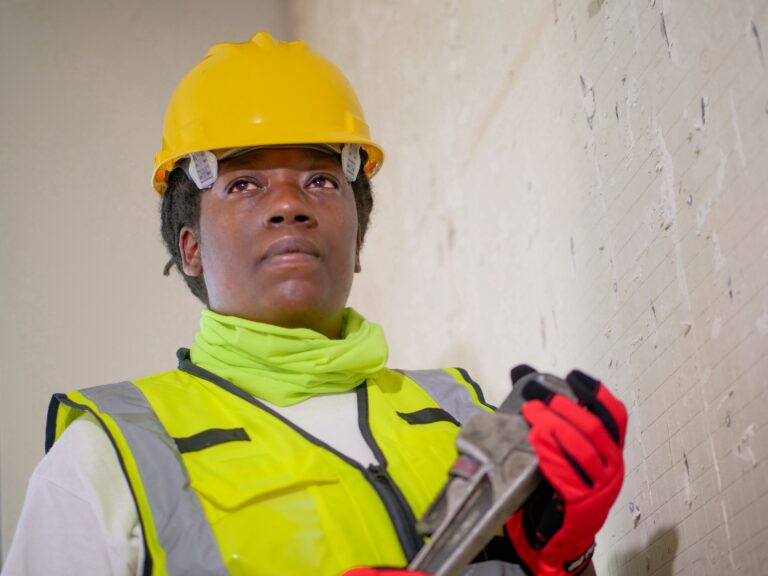

Warehouse Test
A warehouse test and interview can feel straightforward at first, but many candidates are surprised by how much employers try to measure before making a hiring decision. A warehouse job may sound hands-on and practical, yet employers often use assessments and interviews to check far more than physical ability. They want to know whether you can follow instructions, stay accurate, work safely, keep up with routines, handle pressure, and fit into a fast-moving team environment.
That is why warehouse hiring often includes more than a resume review. Depending on the employer and the role, you may face a Basic Math Test, an Attention to Detail Test, a Safety Awareness Test, a Situational Judgment Test (SJT), a Work Style or Personality Test, a Forklift or Equipment Assessment, and a Behavioral Interview. Some jobs also include a short practical skills check or a physical ability stage.
This guide explains what to expect in a warehouse test and interview, what types of assessments are common, what employers look for, and how to prepare so you can go into the process with more confidence.
Why Employers Use Warehouse Assessments
Warehouse employers are not only looking for people who are willing to work hard. They are looking for people who can work accurately, safely, and consistently. In many warehouse environments, a small mistake can cause inventory errors, delays, damaged products, or safety risks. That is why the hiring process often focuses on practical reliability.
A resume may show that you worked in logistics, stocking, shipping, receiving, packing, order picking, or general labor. But it does not always show whether you:
- follow directions carefully
- pay attention to details
- work safely around equipment
- stay productive during repetitive tasks
- handle deadlines without rushing into mistakes
- work well with supervisors and team members
Assessments help employers see whether your work style fits the job before they invest in training and onboarding.
What Is a Warehouse Test?
A warehouse test is a pre-employment assessment used to screen candidates for warehouse jobs. The exact format depends on the employer, but the test usually focuses on practical workplace skills rather than advanced academics.
A warehouse assessment may include:
- Basic Math Test
- Attention to Detail Test
- Safety Awareness Test
- Situational Judgment Test (SJT)
- Work Style or Personality Test
- Mechanical Reasoning Test
- Inventory or Accuracy Test
- Forklift Assessment for equipment-related jobs
- Reading Comprehension Test in some hiring processes
Some employers use only one test. Others combine several short assessments before the interview stage.
Common Types of Warehouse Tests
Different companies use different names, but these are the test types candidates see most often.
Basic Math Test
A Basic Math Test is common in warehouse hiring because many roles involve counting, measuring, checking quantities, comparing numbers, and handling inventory.
What the Basic Math Test may include
- addition and subtraction
- multiplication and division
- counting units or cartons
- simple percentages
- reading quantities
- checking totals
- comparing item counts
The goal is usually not advanced math. Employers mainly want to know whether you can work with numbers accurately in a warehouse setting.
Why it matters
Math mistakes in warehouse work can lead to:
- wrong shipments
- missing items
- inventory problems
- picking errors
- receiving mistakes
That is why even simple math matters more than many candidates expect.
Attention to Detail Test
An Attention to Detail Test is one of the most important warehouse assessments because accuracy is a major part of warehouse performance.
What this test may include
- comparing item codes
- spotting differences between labels
- matching order numbers
- checking product details
- identifying incorrect entries
- noticing missing information
Why employers use it
Many warehouse jobs require careful handling of:
- SKU numbers
- item labels
- bin locations
- order sheets
- quantities
- shipping details
Candidates who rush through detail-based tasks often make avoidable errors, so this test helps employers find people who can stay accurate.
Safety Awareness Test
A Safety Awareness Test is especially common in warehouse roles because the environment may include lifting, shelving, forklifts, pallet jacks, loading docks, packaging tools, and moving equipment.
What a Safety Awareness Test may measure
- understanding safe lifting
- recognizing hazards
- following warehouse rules
- choosing safe actions in work situations
- awareness of equipment and walkways
- response to spills, blocked areas, or unsafe behavior
Why it matters
Warehouse employers care a lot about safety because unsafe behavior can lead to:
- injuries
- damaged goods
- production delays
- compliance problems
- higher training and operating costs
Even entry-level candidates are often expected to show a basic safety mindset.
Situational Judgment Test (SJT)
A Situational Judgment Test (SJT) is used to see how you would respond to realistic warehouse situations. This test often focuses on work behavior, judgment, teamwork, safety, and professionalism.
Common SJT scenarios
- You notice a coworker ignoring a safety rule
- An order is behind schedule and you feel pressure to rush
- A supervisor gives instructions while you are in the middle of another task
- You find a mismatch between an item and the order sheet
- A team member asks for help while you are finishing your own work
What strong SJT answers usually show
- respect for safety
- willingness to follow procedure
- teamwork
- practical thinking
- calm decision-making
- honesty and responsibility
A common mistake is choosing the fastest answer instead of the safest or most accurate one. Many warehouse employers prefer controlled, responsible judgment over speed without discipline.
Work Style or Personality Test
A Work Style Test or Personality Test is used by some employers to understand whether your general behavior fits the warehouse environment.
Common themes in a Work Style Test
- I follow instructions carefully
- I like routine and structured work
- I stay focused during repetitive tasks
- I work well in a team
- I keep going even when work is demanding
- I pay attention to small details
What employers usually want
For warehouse roles, employers often value:
- reliability
- consistency
- patience
- responsibility
- teamwork
- focus
- comfort with routine
As with other work-style tests, consistency matters. It is usually better to answer steadily than to try to sound perfect in every question.
Mechanical Reasoning Test
A Mechanical Reasoning Test is not used in every warehouse job, but it may appear in roles involving machinery, conveyor systems, pallet systems, or equipment operation.
What it may include
- basic tool understanding
- moving parts
- force and motion
- simple equipment logic
- cause and effect in mechanical systems
This is more common in technical warehouse environments, maintenance-related roles, or equipment-heavy facilities.
Inventory or Accuracy Test
Some employers use a short Inventory Test or Accuracy Test to see whether candidates can handle the basic logic of order picking, receiving, stock handling, and location matching.
Common areas it may cover
- checking quantities
- matching item codes
- reading bin numbers
- finding discrepancies
- understanding simple picking lists
This kind of test is especially relevant for jobs in:
- order picking
- fulfillment
- shipping
- receiving
- stock control
- inventory support
Forklift Assessment
A Forklift Assessment is typically used only when the role involves forklift driving or equipment handling. Some employers may ask about certification, while others use a practical or knowledge-based screening.
What it may focus on
- safe operation
- equipment awareness
- load handling
- warehouse movement rules
- caution around people and products
Not every warehouse role includes this, but when it does, safety and control matter much more than speed.
What Employers Look for in Warehouse Interviews
After the test stage, candidates often move to the interview. A warehouse interview is usually less formal than a corporate office interview, but it still matters a lot. Employers often want to know whether you can be trusted in a work environment that depends on routine, timing, teamwork, and safety.
Employers often look for:
- reliability
- punctuality
- willingness to work hard
- ability to follow instructions
- safety awareness
- accuracy
- teamwork
- physical readiness
- flexibility with shifts
- steady attitude
A warehouse manager is often trying to answer a few simple questions:
- Will this person show up?
- Will they work safely?
- Will they follow directions?
- Can they keep up with the job?
- Will they fit into the team?
Common Warehouse Interview Questions
Warehouse interviews usually focus on real work behavior rather than polished speeches. These are the kinds of questions candidates often hear.
Tell me about yourself
Keep your answer short and relevant. Focus on:
- warehouse or hands-on work experience
- transferable skills
- reliability
- why you want the role
Why do you want to work in a warehouse?
A strong answer often focuses on:
- enjoying active work
- liking practical tasks
- being comfortable in team environments
- wanting steady, structured work
- being motivated by productivity goals
Tell me about a time you worked under pressure
Warehouse work often includes deadlines, truck arrivals, high-volume shifts, and picking targets. Employers want to hear that you can stay focused when work speeds up.
Tell me about a time you had to follow strict instructions
This matters because warehouse work often depends on:
- procedures
- order flow
- safety rules
- scanning processes
- inventory control
Tell me about a time you caught a mistake
This is an important question because employers value people who notice errors before they become bigger problems.
How do you handle repetitive work?
Warehouse jobs often involve repetition. Employers want candidates who can stay focused and productive even when the work is routine.
Are you comfortable lifting, standing, or working long shifts?
This question checks physical readiness and honesty about job demands.
Best Way to Answer Warehouse Interview Questions
The best method for many warehouse interview questions is the STAR method:
- Situation – explain what happened
- Task – explain your responsibility
- Action – explain what you did
- Result – explain what happened in the end
Example
Question: Tell me about a time you found a mistake at work.
A strong answer should explain:
- what the issue was
- how you noticed it
- what action you took
- how it helped the team or prevented a bigger problem
Warehouse interview answers usually work best when they sound:
- practical
- honest
- calm
- focused
- relevant
Warehouse Test and Interview by Role
Different warehouse roles may emphasize different parts of the hiring process.
| Role | Common Test Types | Interview Focus |
|---|---|---|
| Warehouse Associate | Basic Math Test, Attention to Detail Test, Work Style Test | Reliability, speed with accuracy, teamwork, following instructions |
| Order Picker | Inventory Test, Attention to Detail Test, Basic Math Test | Accuracy, productivity, focus, handling deadlines |
| Packer / Fulfillment Associate | Attention to Detail Test, Work Style Test, SJT | Accuracy, consistency, routine work, quality control |
| Shipping and Receiving Clerk | Basic Math Test, Inventory Test, Safety Awareness Test | Documentation, item checking, communication, process discipline |
| Forklift Operator | Safety Awareness Test, Forklift Assessment, SJT | Safe operation, equipment handling, judgment, responsibility |
| Warehouse Lead / Supervisor | SJT, Work Style Test, possibly Basic Reasoning Test | Leadership, decision-making, accountability, managing workflow |
How to Prepare for a Warehouse Test
A warehouse assessment becomes much easier when you know what to practice.
1. Review basic math
Focus on:
- counting accurately
- basic arithmetic
- reading quantities
- checking totals
- comparing numbers
2. Practice detail-based tasks
Look at label comparisons, code matching, and small differences. This helps improve the kind of focus needed for warehouse accuracy work.
3. Think safety first
When practicing Situational Judgment Test questions, remember that employers often value:
- safe choices
- correct procedure
- reporting problems appropriately
- teamwork without ignoring rules
4. Prepare for work-style questions
Be consistent in how you answer. Think about what warehouse work requires:
- routine
- focus
- discipline
- teamwork
- reliability
5. Practice role-based scenarios
If the job is in picking, fulfillment, forklift operation, or receiving, think through realistic problems related to that work.
How to Prepare for a Warehouse Interview
A lot of candidates prepare too generally. The best approach is practical.
Prepare 5 to 7 real examples for:
- working hard under pressure
- following instructions
- teamwork
- accuracy
- safety
- catching mistakes
- staying reliable
Be ready to talk about:
- shift flexibility
- physical work experience
- attendance
- productivity
- working in fast-paced environments
- handling routine tasks without losing focus
Keep your answers direct
Warehouse managers often prefer straightforward answers over long speeches.
Sample Warehouse Test Questions
Basic Math Test sample
If one box contains 24 items, how many items are in 8 boxes?
Answer: 192
Attention to Detail Test sample
Which code is different?
A. BX-4172
B. BX-4172
C. BX-4712
D. BX-4172
Answer: C
Safety Awareness Test sample
You see a spill in a walkway used by pallet jacks. What should you do first?
A. Ignore it and finish your task
B. Walk around it and say nothing
C. Report it or secure the area according to procedure
D. Wait until the shift ends
Best answer: C
Situational Judgment Test (SJT) sample
You notice the quantity on a picking list does not match the item count on the shelf. What is the best action?
A. Guess the correct amount and move on
B. Take what seems close enough
C. Stop and follow the correct process for reporting or checking the discrepancy
D. Skip the order completely without telling anyone
Best answer: C
FAQ
1. What is a warehouse test?
A warehouse test is a pre-employment assessment used to measure skills such as basic math, safety awareness, accuracy, detail focus, work style, or judgment for warehouse roles.
2. What questions are asked in a warehouse interview?
Common questions often focus on reliability, following instructions, working under pressure, teamwork, safety, and past examples of accuracy or mistake prevention.
3. Is a warehouse assessment test hard?
It is usually not advanced, but it can feel challenging if you rush, ignore details, or are not prepared for safety and judgment questions.
4. What should I study for a warehouse test?
Focus on basic math, attention to detail, safety awareness, inventory accuracy, and realistic work scenarios.
5. What do employers look for in warehouse interviews?
Employers often look for reliability, punctuality, teamwork, safety awareness, accuracy, and the ability to work in structured, physically active environments.
6. How can I pass a warehouse test and interview?
Practice the main test types, prepare direct examples from past work, think safety first, and show that you are reliable, accurate, and ready to follow procedures.